Archivos de la categoría ‘Iglesia’


Efee | El Cairo

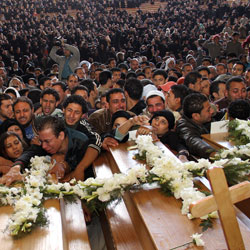
Al menos diez personas han resultado heridas durante una manifestación de cristianos en el centro de El Cairo que protestaban porlos choques de anoche entre coptos y musulmanes en una barriada de la ciudad que dejaron doce muertos.

Fuentes policiales dijeron que miles de cristianos procedentes de distintos puntos de la capital se concentraron frente al edificio de la televisión estatal egipcia para manifestarse contra los sucesos del sábado.

Según las fuentes, personas armadas de identidad desconocida comenzaron a disparar contra los manifestantes y causaron diez heridos, la mayoría leves.

Por su parte, el diario ‘Al Ahram’ informó en su versión digital de que un grupo de residentes en la zona de Maspero, donde se encuentra la sede de la televisión estatal egipcia, atacaron a los participantes en la protesta para intentar disolverla.

Fuentes de los servicios de seguridad afirmaron que la Policía y el Ejército se han desplegado en la zona y que ahora reina la tranquilidad.

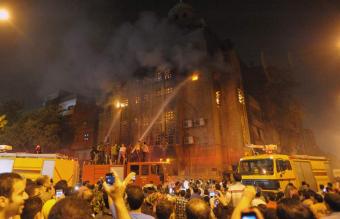
El sábado por la noche, un grupo de musulmanes enfurecidos intentó asaltar la iglesia de Mar Mina en el barrio cairota de Imbaba después de que se extendiera el rumor de que dentro del templo mantenían retenida a una cristiana convertida al islam, lo que desencadenó choques sectarios que causaron la muerte de 12 personas.

Elmundo.com


Un grupo de salafistas asalta una Iglesia en la que creían que se encontraba retenida una copta convertida al Islam

NURIA TESÓN – El Cairo – 08/05/2011

Al menos 12 personas han muerto y más de 180 han resultado heridas, 11 de ellas muy graves, en un nuevo enfrentamiento armado registrado anoche entre cristianos y musulmanes en Egipto. En el barrio de Imbaba, en El Cairo, la calma iba regresando despacio mientras los rescoldos del incendio de la Iglesia de Mar Mina aún humeaba después de que durante la pasada noche un grupo de musulmanes salafíes la atacaran al creer que los cristianos mantenían encerrada allí a una copta convertida al islam. También los ánimos seguían encendidos entre los vecinos que seguían acudiendo al lugar. Se ha producido igual número de víctimas de cada confesión, según Ali Abdel Rahman, gobernador de la provincia de Giza.

El primer ministro Essam Sharaf, se ha apresurado a convocar la reunión del Consejo de Ministros y ha aplazado un viaje al Golfo Pérsico que debía llevarle en su primera parada a Bahréin. En declaraciones a la televisión, el gobernador de Giza, que incluye amplios sectores del Gran Cairo y donde se encuentra Imbaba, dijo que el Ejército y la Policía habían logrado devolver la calma a ese barrio, sin embargo algunos vecinos protestaban esta mañana ante la indefensión que sienten y acusaban al Ejército de «dejar hacer» a los exaltados. No ha sido posible establecer quién empezó el enfrentamiento y de dónde procedían los disparos. También fueron lanzados cócteles molotov.

En un comunicado emitido a través de su página de Facebook, el Consejo Superior de las fuerzas Armadas que gobierna de facto del país afirmó que había 190 detenidos y que iban a ser trasladados a un tribunal militar superior y que se iba a «condenar y castigar de forma ejemplar a quién se le ocurra jugar con los valores de este país». La Junta militar piensa también crear un comité que evalúe los daños y que establezca compensaciones económicas para los afectados. El Consejo resalta en su comunicado «los peligros graves que rodean a Egipto en este periodo (…) y exige a todas las ramas del pueblo y a los jóvenes de la revolución y las fuerzas nacionales, así como a los líderes religiosos, tanto musulmanes como cristianos, que hagan un frente común contra el intento de romper el tejido de la nación».

El Consejo Superior de Las Fuerzas Armadas considera que «no se puede volver al pasado y que no hay otra meta que alcanzar que la estabilidad y la seguridad y la consecución de los objetivos de la revolución sin importar lo que haya que sacrificar».

Violencia en aumento

Los actos violentos entre miembros de ambas comunidades son habituales en los últimos meses. La pasada navidad, un atentado en la iglesia de los Dos Santos en Alejandría que dejó 24 muertos, encendió los ánimos entre los fieles y durante semanas se produjeron enfrentamientos que se localizaron principalmente en el sur del país, una de las más conservadoras y donde la comunidad cristiana tiene importantes raíces históricas. Sin embargo, la Fiscalía general ha abierto una investigación para determinar la implicación del ex ministro de Interior Habib El Adly en dicho atentado. Al parecer el objetivo del ataque habría sido culpar a los islamistas y encender los ánimos entre cristianos y musulmanes.

Poco después de la caída del presidente Hosni Mubarak, tras 18 días de protestas, se produjo otro grave enfrentamiento entre miembros de ambas confesiones que se saldó con nueve muertos. Durante una manifestación para protestar por la quema de una iglesia, un grupo de musulmanes irrumpieron en el barrio de Moqqatam, un suburbio de El Cairo de mayoría cristiana. Sin embargo con el paso de los días se asentó la idea de que la batalla fue provocada por matones del depuesto régimen que intentaban sembrar el desconcierto y el odio para demostrar que sin Mubarak Egipto se sumiría en el caos.

«Debemos acabar con la violencia, no debemos permitir que esas personas arruinen lo que hemos logrado en la revolución de enero», ha señalado Essam El Erian, portavoz de los Hermanos Musulmanes, en una entrevista televisiva. «El incidente de Imbaba muestra claramente que hay algunas personas que todavía están trabajando entre bastidores para inflamar la lucha sectaria en Egipto», explicó.»Yo creo que esas personas pertenecen al Partido Nacional Democrático [de Hosni Mubarak] y todavía están decididos a desintegrar cualquier cosa adquirida en la revolución», concluyó.

Los musulmanes que han protagonizado el ataque de esta noche pertenecen a la corriente de los salafíes, una de las más rigurosas del islam y que cada día está ganando más terreno en Egipto. Después de mantener un perfil bajo durante el régimen de Mubarak, desde el 11 de febrero, los salafistas están ganando presencia en las calles egipcias. Esta semana protagonizaron una protesta en el centro de la capital por el asesinato del líder de Al Qaeda, Osama Bin Laden, a manos estadounidenses, e intentaron llegar a la embajada del país norteamericano.

Los cristianos egipcios, mayoritariamente coptos, representan el 10 por ciento de la población del país, calculada en unos 75 millones de habitantes. Al Qaeda ha lanzado en varias ocasiones amenazas contra las poblaciones cristianas en Oriente Próximo.

La violencia sectaria amenaza con hacer descarrilar el proceso que se inició el 25 de enero y que durante 18 días tuvo al mundo pendiente del pulso que el pueblo egipcio mantenía en la plaza de Tahrir. Finalmente el régimen de Hosni Mubarak cayó y este, al igual que muchos de sus hombres fuertes, se encuentran detenidos y acusados de diversos delitos que van desde el blanqueo y la malversación hasta el asesinato deliberado de 846 manifestantes desarmados. El propio Mubarak podría enfrentarse a la pena capital por esta acusación.

Elpais.com


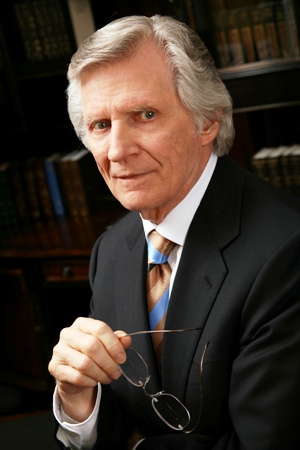
DALLAS, Texas (AP) – El reverendo David Wilkerson, pastor fundador de la Iglesia Times Square en Nueva York y autor del best-seller, «La Cruz y el Puñal», ha muerto. Tenía 79 años.

Wilkerson murió ayer por la tarde en un accidente de coche en el este de Texas, Departamento de Seguridad Pública Tela Mange, portavoz dijo. Coche Wilkerson chocó de frente con en una plataforma de tractor-remolque después de virar hacia el tráfico en el oeste de EE.UU. 175 Cuney, al sureste de Dallas, dijo Mange.

Wilkerson fundó la no-denominacional protestante Iglesia de Times Square en 1987 en una zona de Manhattan que estaba entonces lleno de casas de película porno, clubes de striptease, la prostitución y las drogas. También fundó Teen Challenge, que utiliza un programa de recuperación basado en la Biblia para los adictos a las drogas.

En «La Cruz y el Puñal» Wilkerson escribió sobre sus primeros años en Nueva York la administración a los drogadictos y pandilleros. El libro 1963 se convirtió en un best-seller y fue convertida en una película protagonizada por Pat Boone.

Su familia confirmó su muerte en un comunicado publicado en el sitio web de World ministerios Wilkerson Desafío Inc., dijo que «iba a estar con Jesús.»

«Agradecemos sus oraciones y nuestros corazones están tristes, pero nos regocijamos en la alegría de conocer a David Wilkerson se pasó la vida así», dijo el comunicado.

Wilkerson no llevaba puesto el cinturón de seguridad en el momento del accidente, según el Departamento de Seguridad Pública de Texas. Su esposa, Gwendolyn, también estaba en el coche y llevaba un cinturón de seguridad, dijo Mange. Fue llevada a un hospital, donde ella se encontraba en condición estable con heridas y contusiones, dijo Mange.

Junto con su esposa, David Wilkerson le sobreviven cuatro hijos.

AP.


The Trials of American Lutheranism

The torments that the two major American Lutheran churches have visited on themselves.
Robert Benne

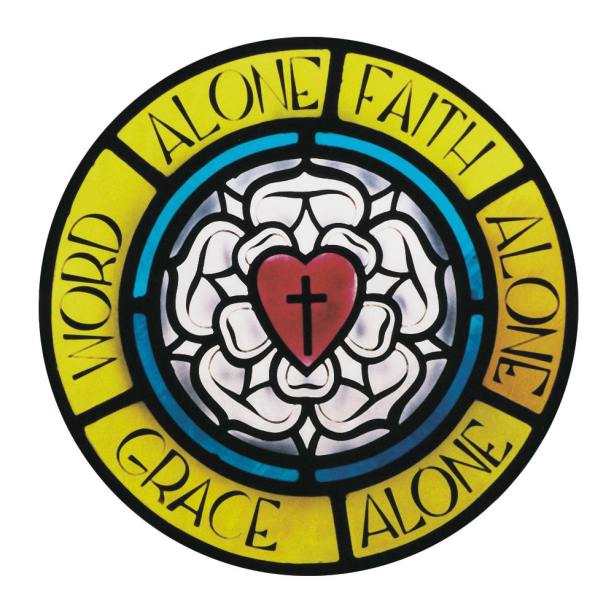
The two largest Lutheran churches in America have now broken up: the Lutheran Church–Missouri Synod (LCMS) in the 1960s and 1970s after a brutal conflict between insurgent conservatives and complacent liberals, the Evangelical Lutheran Church of America (ELCA) in the last few years, as the predictable result of a flawed ecclesial foundation. While both stories are instructive in their own right, the striking thing about them is that they are compellingly connected. The refugees from the first conflict were instrumental in shaping the flawed foundation of the second. Further, those refugees from the LCMS aided those in the ELCA who were pushing it toward liberal Protestantism. So we are left with one Lutheran communion mired in unending conflict over biblical interpretation, and another merged fully into a declining, desiccated Protestant mainline.

The story of the old conflict, told well in James Burkee’s new book Power, Politics, and the Missouri Synod, is a dark tale about something that really did not have to happen. It is the story of the overthrow of a moderate but unwary president, Oliver Harms, and his associates by a highly organized and mean-spirited group of conservative (reactionary is probably a better word) insurgents. They drew on the unease and suspicion sown over many years by a renegade pastor, Herman Otten, who, ever resentful at being refused certification for ordination, conducted a relentless vilification of LCMS leaders and professors with his newspaper Lutheran News, which later became Christian News.

In some ways the takeover of headquarters was merely an instrument for getting at the leadership and faculty of Concordia Seminary at St. Louis, which the insurgents rightly suspected of moving beyond its conservative constituency in biblical interpretation, theology, and cultural and political attitudes. Charges were brought in the early 1970s against the seminary’s president, John Tietjen, and he and the faculty adamantly refused to accept any of the face-saving deals offered by the insurgents. As the noose on them tightened, they staged an exodus in 1973 from the campus of the seminary and formed the Seminary in Exile (Seminex). The church around them fractured, but few congregations—only around 270 of some 6000—followed them out of the Missouri Synod into the new Association of Evangelical Lutheran Churches (AELC).

As Burkee describes it, the insurgent war on the liberals (they called themselves moderates) was unrelenting, fierce, and remorseless. Participants in the current conflict in the ELCA are playing by the Marquis of Queensbury’s rules compared to the bare-knuckle brutality of Missouri’s Great Unhappiness. Burkee demonstrates that conservatives in the LCMS were deeply affected and motivated by the political and cultural upheaval of the sixties. They seemed driven as much by conservative political and cultural commitments as by theological concerns, though they were sorely provoked by the rambunctious Richard John Neuhaus and a bevy of fellow rebels who in many cases fused their religious commitments with their left-wing politics.

But a concern for biblical and theological liberalism did underlay the simmering discontent many Missourians had for years with Concordia Seminary. Some of the faculty indeed promoted gospel reductionism (the teaching that justification is the only doctrine that finally matters) as well as an understanding of Scripture strongly influenced by historical-critical assumptions.

On the other hand, the liberals were both arrogant and strategically inept. They were arrogant in the sense that they thought they could get away with their biblical, theological, and cultural liberalism without offending a much more conservative constituency and in the sense that their leaders would not give an inch before the charges of the conservatives. At one poignant moment, the leader of the insurgents, J. A. O. Preus, would have stopped the attacks if Tiejten would have made a small apology for the faculty’s errors. But that was not to be. The liberals were also strategically clueless, swept up in the romantic allure of exodus, when they might have better employed the gritty tactic of making Preus come after them one by one. After about three public trials—and the attendant blood spilled and momentum lost—the conservatives would likely have tired of continuing the attack.

The conflict ended more than three decades ago with a conservative victory, but it seems as if Missouri has been unable to rid itself of ongoing infighting. Heresy charges and trials simply for bringing up borderline issues—women teaching theology in Missouri universities, for example—persist. Added to such continuing strife is the “Brief Statement” of 1932 (a Missouri clarification of its stand on matters of biblical interpretation), reiterated in the mid-seventies, which seems to elevate quasi-fundamentalist and anti-evolutionary planks to confessional status and can be used to quash any attempt at biblical or theological creativity. Women’s ordination and closed communion also persist as divisive issues.

Neither the relatively small number of Missouri Synod churches that formed the AELC nor its seminary Seminex were strong enough to survive for long independently. The new church quickly joined the merger conversations in the 1980s between the American Lutheran Church (ALC) and the Lutheran Church in America (LCA). Thus, the liberal refugees from the Missouri Synod became key players in the formation of the new Evangelical Lutheran Church in America in 1988. In addition to the Seminex faculty, the ex-Missourians provided several revisionist pastors and bishops, one of whom, Stephen Bouman, may be the ELCA’s next presiding bishop. Though they were in the minority, they brought a battle-hardened, coordinated contingent that saw no enemies to the left, only to the right. They had had enough of authoritarian conservatism and joined the liberals of the ALC and LCA to make sure that conservatism would never play a dominant role in the new ELCA.

Both the ALC and the LCA were already slipping toward liberal Protestantism before the new church was planned. The hermeneutic of suspicion was already being applied within those churches to the inherited tradition. The informal magisterium that had been carried by their leading theologians, which had kept the churches orthodox, was already in trouble by the time merger talk began.

Still the best source for this story of how the liberals prevailed in their attempt to make a “new” Lutheran church is The Anatomy of a Merger (1991), whose author, Edgar Trexler, was at the time editor of the LCA’s denominational magazine, The Lutheran, and in that role attended nearly every meeting of the groups that planned the ELCA. What was distinctively “new” in the new church was its commitment to “inclusiveness.” As one observer put it, inclusiveness was the “god term” of the proceedings, “the expression about which all other expressions are ranked as subordinate.”

The practical instrument of inclusiveness was the imposition of quotas for every committee, task force, assembly, and bureaucracy in the new church. Each of these had to be 60 percent lay, 40 percent clergy, 50 percent women, and 10 percent either people of color or people whose first language was other than English (although German, Hungarian, Slovak, and other languages spoken by ethnic Lutherans didn’t count). The veteran leaders of the ALC and LCA opposed the quotas, but the liberals had their way. Quotas over-represented interest groups—feminists, multiculturalists, black liberationists—and under-represented the traditional leaders from the merging churches, experienced white male pastors, and especially theologians.

The planners did not stop with imposing quotas. They planned a structure that insured that theologians and bishops, who were then almost exclusively white males, would have little real theological authority in the church, that evangelism would be a second- or third-order concern, that a quota-driven national assembly that was 60 percent laypeople would vote on church doctrine, that there would be no opportunity for synods and congregations to rescind those votes, and that a liberal central bureaucracy would have its own way over time.

The new ELCA was significantly defined by a coalition of sixties radicals, and in fact the shaping of the ELCA parallels the reform of the Democratic Party. Jesse Jackson and George McGovern and their followers, using a quota system, moved the Democratic Party to the left not only of the country but of its own membership. It took the Democratic Party twenty years to move enough to the center to begin to win presidential elections again. In democratic politics, however, the citizens can throw the rascals out. But such was not—and is not—possible in the ELCA. Once the new DNA of the ELCA was set, clergy and laity in the church could do little to challenge the bureaucracy. They could slow down its progress but not alter it or change the direction of their church.

The “march through the institutions” radiated from Chicago—the new headquarters of the ELCA—to many synods, agencies, colleges, and seminaries. The church’s seminaries, for example, took in professors from Seminex, which closed at the beginning of the merger talks. (It had lasted for less than ten years.) The Lutheran School of Theology at Chicago (LSTC) took in eleven Seminex faculty, who then altered dramatically the character of the seminary. Much later, the LSTC faculty voted unanimously to support the revisionist sexuality policies that were proposed and accepted at the 2009 ELCA Churchwide Assembly. (That Assembly approved the blessing and ordination of partnered homosexual couples as well as a social statement on sexuality that backed away from many classical Christian teachings on sexual ethics.) The LSTC was not the only seminary affected strongly by the refugees. Indeed, by my counting not one of the former Seminex faculty wound up on the side of the traditionalists in the run-up to the Churchwide Assembly of 2009.

Many faithful and competent orthodox pastors and laity have enriched the ELCA after their migration from the LCMS, but the question remains why those from Seminex and the AELC who have taken leadership positions in the seminaries, colleges, bureaucracies, and synods of the ELCA have bent toward the revisionist side. Was it because their former tormentors had been on the right and they could not, or would not, recognize any danger from the left? Or was it because they were, as the conservative insurgents of the LCMS had charged, liberals from the very beginning and have found a most hospitable place in the ELCA?

Whatever the case, from the beginnings of the ELCA that leadership of former Missourians has been instrumental in pushing the ELCA in the revisionist direction. They and the others who created the new church did all they needed to do to insure that liberal Protestantism was the ELCA’s destination.

While the battles within the LCMS and the ELCA did not change American Christianity much (Lutherans after all are a small and declining tradition, both absolutely and as a percentage of the population), they certainly changed American Lutheranism. The first battle blew apart what had been a strong church, which has never recovered its unity, vitality, or its place in American religious life, and provided an important impetus for the breakup of another.

And the breakups continue. Two new churches and at least one new seminary have emerged from the ELCA. Lutheran Congregations in Mission for Christ (LCMC) is a fairly loose association of about five hundred congregations with little central organization or direction. The North American Lutheran Church, founded only six months ago, expects its membership to reach more than two hundred churches by its first year anniversary. It possesses a much more traditional structure. Both are served by a new seminary—the Institute of Lutheran Theology—which offers mainly online courses taught by orthodox Lutheran professors. Both churches emphasize evangelism. Both churches also accept—after careful examination—students from other seminaries who want to join them as well as pastors who are leaving the ELCA.

Another association, not a church, is the Lutheran Coalition for Renewal (CORE). It provides a meeting ground for orthodox Lutherans who remain in the ELCA and the LCMS as well as for those who have migrated to the new churches. It provides a number of services for the new churches and holds an annual theological conference that attempts to provide a vision of Lutheranism at its best.

How this will all sift out is known only to God, but these dissenting Lutherans believe that it is important to provide an institutional home for the Lutheran insights that aim at reforming the church catholic. There is still plenty of need to remind Christendom of the radical nature of God’s grace in Christ; of the distinction between Law and Gospel as marking the two ways that God reigns in the world; of the perennial condition of the Christian in this life as both saint and sinner; and of the special vocation of the laity.

These Lutheran perspectives retain crucial importance as distinctive insights into the Great Tradition. They of course are not the whole and should not be taken for the whole. But they do provide flashes of illumination and insight for the one, holy, catholic, and apostolic Church. That is justification enough for their preservation.

Robert Benne is director of the Center on Religion and Society at Roanoke College


Why Conservative Churches Are Growing

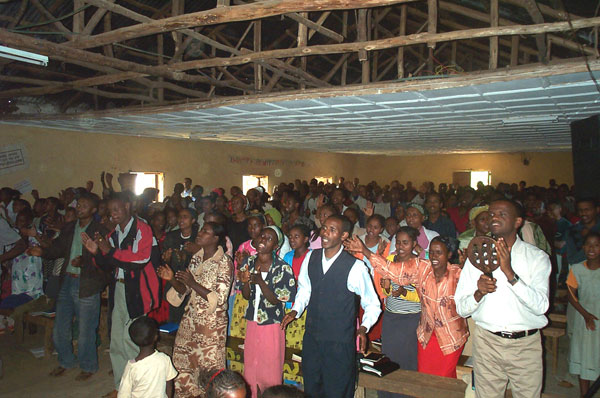
Evangelical Church Mekane Yesus ( Ethiopian church)

By R. Albert Mohler, Jr.|Christian Post Guest Columnist

By the late 1960s, liberal Protestants began asking a rather difficult question. Why were the conservative churches growing? In retrospect, one aspect of the liberal Protestant crisis was reflected in that very question. The mainline Protestant denominations would have been better served by asking why their own churches were declining.

Commissioned by the National Council of Churches, researcher Dean M. Kelley set out to find out why conservative churches were growing, even as the more liberal churches were declining. In his 1972 book, Why Conservative Churches are Growing: A Study in Sociology of Religion, Kelley argued that evangelical churches grow precisely because they do what the more liberal congregations and denominations intentionally reject – they make serious demands of believers in terms of doctrine and behavior.

“Amid the current neglect and hostility toward organized religion in general,” Kelley noted, “the conservative churches, holding to seemingly outmoded theology and making strict demands on their members, have equalled or surpassed in growth the early percentage increases of the nation’s population.”

With amazing insight and candor, Kelley spoke for mainline Protestantism when he noted that it had been generally assumed that churches, “if they want to succeed, will be reasonable, rational, courteous, responsible, restrained, and receptive to outside criticism.” These churches would be highly concerned with preserving “a good image in the world” – and that meant especially within the world of the cultural elites. These churches, intending to grow, would be “democratic and gentle in their internal affairs” – as the larger world defines those qualities. These churches will intend to be cooperative with other religious groups in order to meet common goals, and thus “will not let dogmatism, judgmental moralism, or obsessions with cultic purity stand in the way of such cooperation and service.”

Then, Kelley dropped his bomb: “These expectations are a recipe for the failure of the religious enterprise, and arise from a mistaken view of what success in religion is and how it should be fostered and measured.”

Kelley then presented his considerable wealth of research and reflection on the phenomenon of conservative growth and liberal decline. “Strong” religious movements make demands of their members in terms of both belief and behavior. These churches demand adherence to highly defined doctrines that are to be received, believed, and taught without compromise. They also understand themselves to be separate from the larger secular culture, and the requirements of membership in the church define a distance from secular beliefs and behaviors.

The liberal churches are, by their own decision, opposed to these very principles. The mainline Protestant churches desired to be taken seriously and respected by the intellectual elites. They wanted the benefits of cultural acceptance and esteem. They lowered doctrinal and behavioral requirements and made membership more a matter of personal preference than of theological conviction.

Kelley concluded: “To the person who is concerned about the future of the ecumenical churches, this theory can offer little encouragement. The mainline denominations will continue to exist on a diminishing scale for decades, perhaps for centuries, and will continue to supply some people with a dilute and undemanding form of meaning, which may be all they want.”

In a recent column in The New York Times, David Brooks raised similar issues, this time in the context of a review of “The Book of Mormon,” a popular production on Broadway. In Brooks’ view, the show “ridicules Mormonism but not the Mormons, who are loopy but ultimately admirable.”

In the course of his column, Brooks made this observation:

Many religious doctrines are rigid and out of touch. But religion itself can do enormous good as long as people take religious teaching metaphorically and not literally; as long as people understand that all religions ultimately preach love and service underneath their superficial particulars; as long as people practice their faiths open-mindedly and are tolerant of different beliefs.

Hang in there – David Brooks is headed somewhere with this argument. He noted that many Americans “have always admired the style of belief that is spiritual but not doctrinal, pluralistic and not exclusive, which offers tools for serving the greater good but is not marred by intolerant theological judgments.”

And he is right, of course. This is an eloquent description of the religious disposition so well documented by Dean Kelley almost 40 years ago. This describes the mainline Protestant aspiration – to be seen as serving the public good without the taint of theological judgment.

But then Brooks dropped a bombshell of his own:

The only problem with “The Book of Mormon” (you realize when thinking about it later) is that its theme is not quite true. Vague, uplifting, nondoctrinal religiosity doesn’t actually last. The religions that grow, succor and motivate people to perform heroic acts of service are usually theologically rigorous, arduous in practice and definite in their convictions about what is True and False.

Further: “The religions that thrive have exactly what “The Book of Mormon” ridicules: communal theologies, doctrines and codes of conduct rooted in claims of absolute truth.”

Note that Brooks defined the “strong” profile of belief with terms such as “rigorous,” “arduous,” and “definite.” With considerable insight, Brooks informed his readers that rigorous theology “provides believers with a map of reality,” “allows believers to examine the world intellectually as well as emotionally,” “helps people avoid mindless conformity,” and “delves into mysteries in ways that are beyond most of us.”

Meanwhile, arduous codes of behavior and conduct “allow people to build their character.” Brooks explains that “regular acts of discipline can lay the foundation for extraordinary acts of self-control when it counts the most.”

Brooks concludes with a look at Africa, where conservative Protestantism is thriving. The Broadway show portrays the Africans accepting the liberal form of belief that would comfort the cultured antagonists of religion. Brooks knows that it is not so:

I was once in an AIDS-ravaged village in southern Africa. The vague humanism of the outside do-gooders didn’t do much to get people to alter their risky behavior. The blunt theological talk of the church ladies – right and wrong, salvation and damnation – seemed to have a better effect.

In the span of just a few paragraphs, David Brooks made the same argument that Dean M. Kelley made in his book-length report on research nearly four decades ago.

There is a wealth of insight in both analyses. In the present context, evangelical Christians face many of the same questions asked by the liberal Protestant denominations in the 1960s and beyond. The main question is always deeply theological: Do we really believe that the message of the Gospel is the only message that offers salvation?

At this point, the limits of sociological research become clear. A sociological analysis can distinguish between stronger and weaker forms of faith and belief and can measure qualities such as rigor, ardor, and definiteness. Sociology can trace developments and offer research-based predictions about the future.

What sociology cannot do is deal with the most important question of all – the truth question. That is where Mormons and evangelical Christians part company. Orthodox Jews, Jesuits, and Jehovah’s Witnesses all fall on the “strong” side of the sociological divide in their own way, but each has a completely distinct worldview based upon very different understandings of the truth. Mormons and Methodists have very different theologies, to say the least, but it takes a theologically informed Mormon and Methodist to know the difference.

Dean M. Kelley and David Brooks, each writing for a very different audience, have much to say to evangelical Christians. But, in the end, sociology can get us only so far and no further. The rigor, ardor, and energies of evangelical churches must not be held merely in a desire to hold to a form of religion that will grow, but in a biblical commitment to hold fast to the truth of the Gospel and to share that saving truth with the whole world.

We are left with what David Brooks described as the “blunt theological talk of the church ladies” in that African village – “right and wrong, salvation and damnation.” Such is the Kingdom.

CHRISTIANPOST.COM


Homenaje en la aldea global
Pablo Martínez analiza la vida de una persona “empática, cercana y muy pastoral”.

27 de abril de 2011, BARCELONA

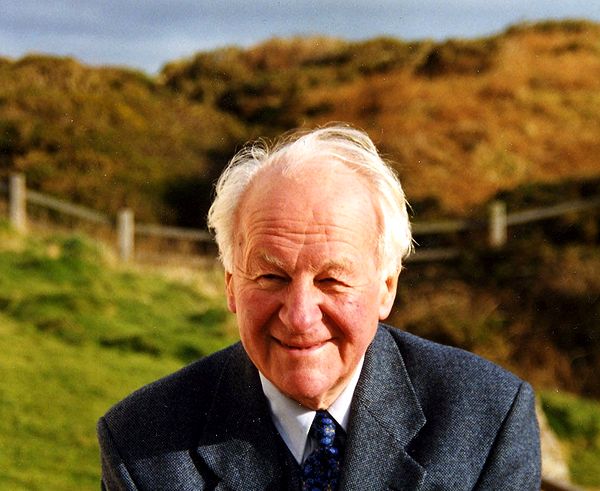
 La revista Time le ha puesto en la lista de las 100 personas más influyentes del siglo XX. Ha escrito más de 30 libros, y su impacto como líder cristiano se ha visto en muchísimos ámbitos, desde el movimiento global  Lausanne  hasta la revista Christianity Today , pasando por el  London Institute for Contemporary Christianity.  Repasamos la vida de John Stott a través de las opiniones del Doctor Pablo Martínez Vila.John Stott es “un hombre que nunca buscó sus propios intereses, fue más allá de los intereses denominacionales y siempre veló por la causa de Cristo y la extensión del evangelio”. Así es como resumiría al autor inglés el psiquiatra y conferenciante Pablo Martínez Vila.

“Su influencia ha ido más allá de lo que es el mundo evangélico o de Inglaterra, para tener un impacto verdaderamente mundial” y esto le ha llevado a un reconocimiento muy importante. “La razón por la que es considerado un personaje fundamental es porque ha sido un hombre de Estado”, alguien no solamente reconocido dentro del ámbito de la iglesia, sino también en la sociedad en su conjunto.

 En España se le conoce “sobre todo como escritor” , por la formación que han aportado sus comentarios bíblicos y sus libros “relacionados con cultura y problemas sociales”. Otras facetas de su aportación probablemente son menos conocidas en España, “porque tenemos la barrera del idioma”, considera Martínez. El autor sólo ha estado en España una vez. Fue como conferenciante en el Congreso Evangélico Español de 1997, en Madrid.

 LA RECIÉN PUBLICADA BIOGRAFÍA DE SU VIDA
Coincidiendo con los 90 años, se ha publicado por fin en España un biografía sobre su vida: “John Stott, un hombre de Dios excepcional” (Andamio, 2011), escrita por Roger Steer. Pablo Martínez de hecho estuvo en la presentación del libro cuando por primera vez salió en inglés. En comparación con otras obras biográficas sobre el autor, esta es una “biografía reducida, una síntesis” de la vida del autor. Martínez cree que es  “un libro inspirador, uno de aquellos libros que uno disfruta leyéndolo” , y remarca que es especialmente bueno “si se busca estímulo para la vida cristiana”.

 CONOCIENDO A STOTT EN PRIMERA PERSONA

Pablo Martínez conoce bien a John Stott no sólo a través de sus obras, sino también por la amistad que han tenido por años. “La relación surgió hace unos 30 años”, cuando Martínez tradujo un libro suyo al castellano. A partir de ahí, compartieron muchas cosas e incluso Stott le ofreció formar parte del Consejo Directivo del  London Institute for Contemporary Christanity .“Hemos compartido muchas horas juntos”, no sólo alrededor de eventos u organizaciones cristianas, sino también en “viajes a la naturaleza”.
A nivel de carácter,  John Stott es una persona “cercana, empática y muy pastoral” , explica Martínez. “Recuerdo cuando lo conocí por primera vez, era yo muy joven, debía yo tener 21 años, y esta es la sensación que tuve, que siendo él la persona destacada, te hacía sentir a ti importante”.

Además, el carácter de este conferenciante británico ha destacado siempre por ser “humilde y asequible”. Y a ello se añade  “una vida de oración” , recuerda Martínez. “Cuando compartíamos tiempo juntos, no había un solo día que no terminara con un tiempo de oración, de peticiones personales… es un hombre de oración”.

 TRES MINISTERIOS CLAVE
¿Qué es lo que Stott ha estado impulsando, a lo largo de su vida? “El trípode que refleja mejor los énfasis” de John Stott se podría resumir en tres ministerios: la iglesia de All Souls (London, Inglaterra), el  London Institute for Contemporary Christianity  (LICC, en castellano: Instituto Londinense para el Cristianismo Contemporáneo) y la  Langham Partnership .

“Stott fue pastor muy joven, apenas tenía 29-30 años”, y lo fue en “una de las iglesias anglicanas más importantes de Londres,  All Souls ”. Es especialmente interesante que haya sido “una persona de una sola iglesia local”. Al iniciar su trabajo de liderazgo allí, se marcó cinco grandes objetivos: el discipulado de nuevos creyentes, la evangelización, la predicación expositiva, la oración y la formación de líderes laicos. Estas prioridades han marcado el crecimiento de All Souls y ha permitido que siga siendo “un faro en el mundo evangélico, no sólo en Inglaterra sino en todo el mundo”.

Por su vida también ha defendido que en la vida del cristiano no debería existir una división entre lo secular y lo sagrado. Con esta visión global de la vida impulsó la creación del  LICC . Stott explicó en su momento el propósito de este proyecta: “Contribuir a que los estudiantes lleguen a ser cristianos más completos en su vida personal, y cristianos más efectivos en su vida profesional pública, de manera que cristianos integrales puedan influir el mundo secular con un evangelio integral”.

La tercera pata del ministerio de Stott es “un vehículo para formar a pastores”, el  Langham Partnership . Ahí se ha canalizado mucha de la literatura que Stott ha escrito a lo largo de su vida. Explica Martínez que entre las funciones de este ministerio “se facilita literatura a pastores de países en vías de desarrollo, con ediciones baratas de libros, se financia la compra, se invierte en derechos de autor para estos países, traducciones”.

 “DEDICÓ TIEMPO A LOS ESTUDIANTES UNIVERSITARIOS”
“Fue un hombre muy comprometido con el equivalente de GBU a nivel internacional (IFES), dedicó tiempo a estar con los estudiantes”. Fue así porque “nunca fue un hombre de una sola denominación, sus metas siempre trascendieron su denominación anglicana”.

Por ello también colaboró activamente con la Alianza Evangélica Mundial.  “John Stott nunca fue un hombre de proyectos personales, y mucho menos de proyecto personalistas” , explica Pablo Martínez Vila.

Este carácter de búsqueda de la unidad fue lo que llevó a Stott a ser uno de los pioneros en el Movimiento global de  Lausanne  (del que se ha celebrado el año pasado el  Tercer encuentro en Ciudad del Cabo ). “Fue el redactor del documento de Lausanne, en 1974, uno de los documentos que ha moldeado el cristianismo evangélico en todo el mundo en los últimos 30 o 40 años”. Su aportación fue especial por “el equilibrio entre la proclamación del evangelio y la vivencia de este evangelio en forma de preocupación social, de acción”. A Stott se unían en ese momento personas como Samuel Escobar y René Padilla, que reafirmaron esta visión de integrar proclamación y acción.

 ¿QUÉ SIGNIFICA SER EVANGÉLICO?
La “identidad evangélica” ha sido otro de los estandartes de Stott. Su defensa de este concepto surgió en medio del “combate ideológico y teológico que había en Inglaterra en los años 40 y 50, entre conservadores y liberales”.  Stott fue “el paladín de un resurgir de un movimiento evangélicos tal como lo entendemos nosotros” , opina Martínez. Fue en este “contexto de liberalismo teológico” en el que el autor puso énfasis en la necesidad de una identidad evangélica, por ejemplo en la “importancia de enfatizar el nuevo nacimiento en la línea de Juan 3”. A ello se añade también la centralidad de la Cruz en el evangelio, otro aspecto que Stott defendió a capa y espada.

Pablo Martínez Vila cree que la vida y la obra del inglés han mostrado que se puede ser “un “estudioso, un erudito, una persona formada y profundamente evangélica”. Esto cambio el corriente de opinión que podía pensar que los eruditos cristianos eran de corrientes liberales, “Stott se encargado de desmentir este mito”.

 TRES LIBROS QUE DESTACAN
La faceta más conocida de Stott es claramente su facilidad a la hora de escribir. Los homenajes que ahora recibe en muchas partes del mundo demuestran el impacto que sus libros han tenido en muchos sitios. Pero si uno quiere empezar a leer al autor ¿por dónde empezar?

 Cristianismo Básico  es el libro más leído (3 millones de ejemplares vendidos, y traducido a 50 idiomas). Es un “obra formidable desde el punto de vista evangelístico”, cree Pablo Martínez, un libro “de referencia para explicarle a alguien que es el evangelio”. Es ideal porque “tiene un equilibrio entre erudición y claridad”, algo distintivo del autor.

Una recomendación más personal de Martínez sería  Los problemas de los cristianos enfrentamos hoy  sobre “temas sociales conflictivos”que el autor trata con un “don especial para armonizar contradicciones aparentes y llegar a conclusiones sumamente bíblicas”.
Sin embargo, su obra magna es   La Cruz de Cristo , en la que aparecen resumidos “los pilares esenciales de su pensamiento teológico: la autoridad suprema de la Palabra de Dios, la centralidad de la cruz de Cristo y las implicaciones globales de la salvación, no sólo a nivel personal, sino también público, comunitario, como iglesia”.

 OBRA Y AFICIÓN A LA ORNITOLOGÍA
Explica Martínez Vila que “es relativamente frecuente en el mundo evangélico en Inglaterra el hecho que pastores notables, pastores muy influyentes hayan permanecido solteros toda su vida”. Una de las grandes ventajas que Stott ha tenido como líder por « haber permanecido soltero  ha sido su capacidad de dedicación completa a la obra del evangelio”. Es verdad que “estar casado da otros aspectos de ventaja como una mayor comprensión de primera mano del mundo de la familia”, explica el psiquiatra, “pero el hecho que Stott se mantuviera soltero ha permitido una concentración de talento y esfuerzo y tiempo que le han permitido hacer una obra ingente”.

Otro dato interesante de la vida de Stott que siempre aparece en sus biografías es la  afición por la ornitología , el estudio de las diferentes especies de aves. “En parte viene porque su padre, que era médico, era un gran aficionado a la historia natural”, que le enseñó desde pequeño. “De niño empezó con una colección de mariposas, pero muy pronto se fue a los pájaros”. Aunque se considerara amateur en este hobby, Martínez recuerda que la gran capacidad de Stott de “reconocer un pájaro sólo por la forma de cantar”. “Él siempre decía que era un hobby que le permitía estar en contacto con la otra gran Biblia, que es la creación, la revelación natural”.

 SALUD MUY FRÁGIL
A sus 90 años, John Stott ha dejado ya la pluma y sus aficiones.  “Su estado de salud es francamente precario” , tiene “dificultades muy importantes de visión”. “Al mismo tiempo que con su cumpleaños agradecemos a Dios habernos regalado a este hombre inspirador, es bueno que nos acordemos de su situación ahora, de gran fragilidad, en la que es muy importante sentir de cerca esta provisión de Dios que ha caracterizado toda su vida y que se necesita sobretodo en estos momentos de invierno, de final de vida”.

Autores: Joel Forster

© Protestante Digital 2011


Paseando ídolos

Publicado: abril 24, 2011 en Iglesia, opinión, Sociedad

Yolanda Tamayo
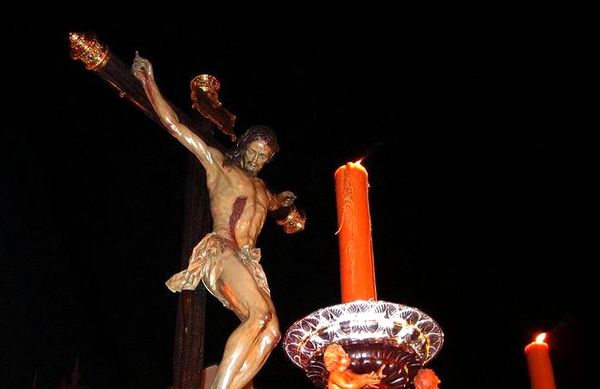
Mi querido Jesús: hoy han querido hacerte un favor.

21 de abril de 2011

Han dispuesto darte un paseo por entre las calles jubilosas de la ciudad, que de forma sorprendente, en estos días recuerda tu nombre. Olvidado estás todo el año, pero hoy, devotos de una frágil y perecedera fe, quieren exponer una imagen de quien dicen ser tú , sacarla de su soledad diaria y pasearla por avenidas y calles para ser escoltada por la multitud clamorosa.

¡Allá van tras algo inerte! Entonando estériles rezos, sintiendo como la emoción los sacude haciendo que sus mentes estén hoy presas de ti.

Pero sé que mañana , cuando la fiesta solemne concluya, acabarás de nuevo en un frío templo para ser visitado de domingo a domingo, adorado en forma de imagen en la que muchos pondrán su confianza, admitiendo que esa inmóvil estatua eres tú mi buen Pastor.

No quisiera criticar sus actos, pues no me considero apta para juzgar corazones. Lo que si deseo es que tú, conocedor de vidas, utilices la mía para poder enseñar a quienes siguen falsas estelas quien es Jesús y cuál es el verdadero camino.

 Que penoso sería si al mirarte sólo viera una imagen derrotada, un cuerpo gastado por tanta semana santa, por tanto paseo en hombros de quienes portando una estatua creen hacerte un favor.

Pena de mí, si al hablarte no supiera que me escuchas e ignorara lo que producen mis palabras en ti, ese reclamo de tu gran misericordia.

Qué triste sería cerrar los ojos y no sentir la luz que propagas, esa aura que te cubre.

Pena de mí, si anduviera en otras sendas, si pisara otras orillas, si bebiera otras aguas, si me sintiera limpia con otra sangre.

Que gozo sentir que se ausenta la pena y alejada del camino permiten que se cuelen ráfagas de vida. Que gozo entornar los ojos y ver la rúbrica de Jesús sellada en mi corazón.

Autores: Yolanda Tamayo

© Protestante Digital 2011


De paz inundada mi senda ya esté,
O cúbrala un mar de aflicción,
Mi suerte cualquiera que sea, diré:
Alcancé, alcancé salvación.

Coro:
Alcancé salvación.
Alcancé, alcancé salvación.

Ya venga la prueba o me tiente Satán,
No amenguan mi fe ni mi amor;
Pues Cristo comprende mis luchas, mi afán
Y su sangre vertió en mi favor.

-Coro-

Feliz yo me siento al saber que Jesús,
Libróme de yugo opresor;
Quitó mi pecado, clavólo en la cruz:
Gloria demos al buen Salvador.

-Coro-

La fe tornaráse en gran realidad
Al irse la niebla veloz;
Desciende Jesús con su gran majestad,
¡Aleluya! Estoy bien con mi Dios.

-Coro-